
Strait of Hormuz Chaos: How the Iran Conflict is Hammering Fuel Costs
Iran war escalates with tanker attacks in the Strait of Hormuz, driving oil prices up and U.S. gas to $3.88+/gallon.
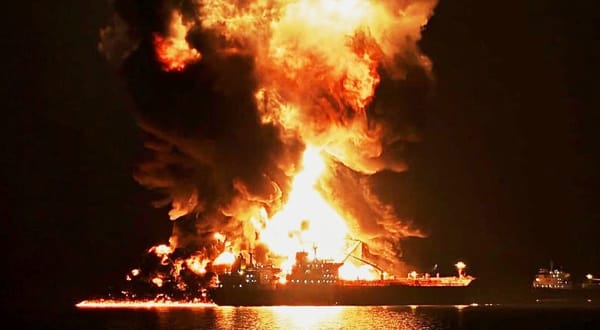
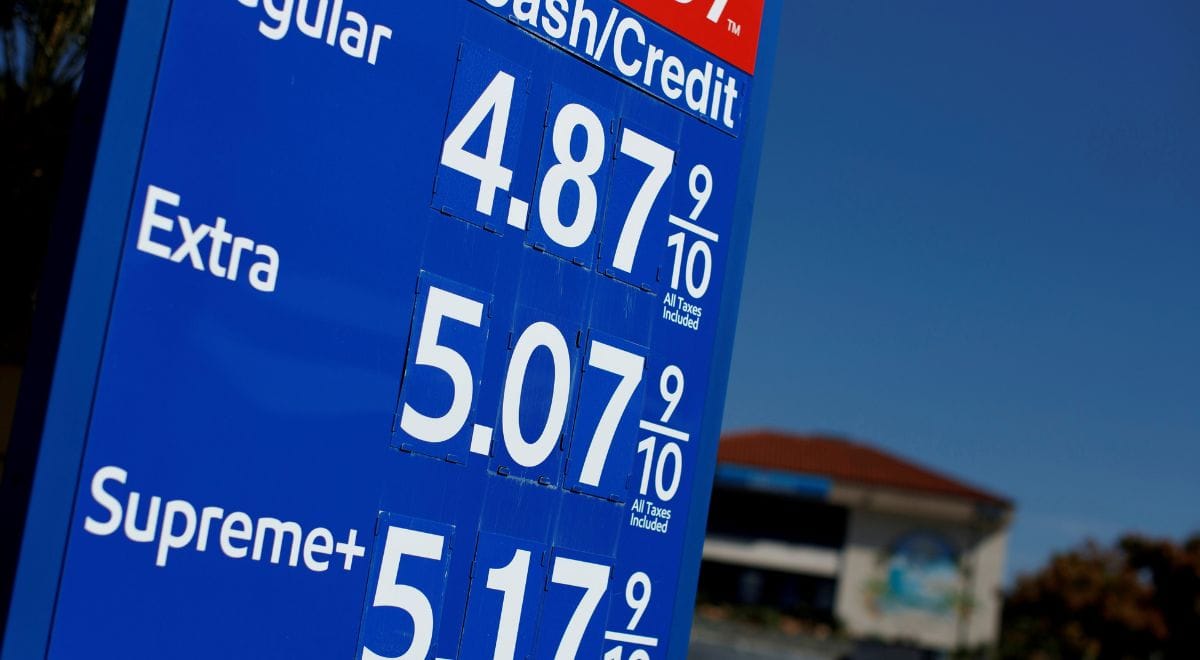
The current escalation in the Middle East—specifically the U.S.-Israel war on Iran that began in late February 2026—has turned the Strait of Hormuz into a war zone, with Iranian forces attacking multiple oil tankers and commercial vessels. This is disrupting global oil flows (about 20% of world supply normally passes through the strait), leading to massive spikes in crude prices (Brent crude hitting $110–$119/barrel peaks, up 40–60% since the conflict started) per The Guardian and Reuters, and U.S. gas prices surging (national average now around $3.88/gallon, up ~90 cents in recent weeks) per AAA.
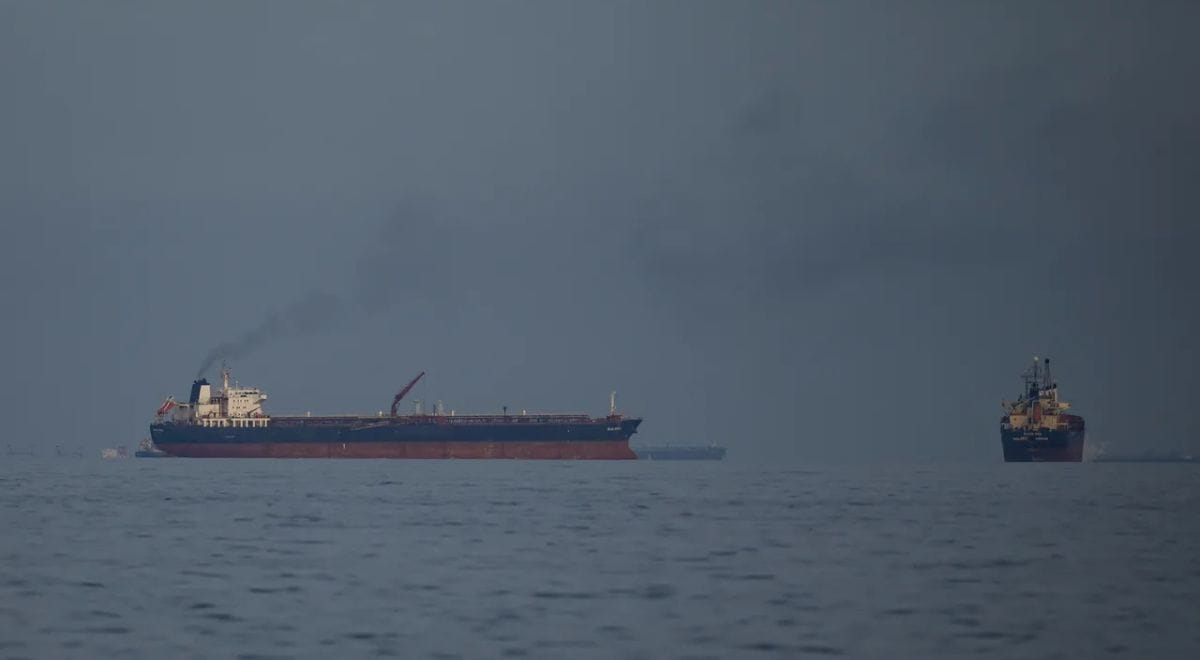
It's insane and terrifying—attacks on tankers (drones, projectiles, unmanned boats) have left ships burning, crews missing or dead as reported by CBS News, and hundreds of vessels stranded or loitering outside the strait due to insurance cancellations, war risk premiums skyrocketing, and outright threats. Iran has effectively throttled traffic (sometimes closing or heavily restricting the strait), forcing rerouting around Africa and creating the biggest energy supply disruption in decades per BBC. Governments are releasing strategic reserves, but prices are still volatile and likely to stay high as long as the conflict drags on.
For off-road enthusiasts and owners of fuel-thirsty rigs (think lifted trucks, Jeeps, Raptors, TRXs, or any V8/older diesel with big tires), this hits hard. Off-road vehicles are notoriously inefficient—many get 10–15 mpg highway (worse off-road), and all-terrain/mud-terrain tires alone can drop efficiency 3–10% due to higher rolling resistance and weight. With gas prices climbing 50+ cents in weeks according to NPR (and potentially more if disruptions persist), weekend trail runs, overlanding trips, or even commuting in a thirsty daily driver become way more expensive.
Impact on the Off-Road Community
- Short-Term Pain: Filling up a 30–40 gallon tank now costs $120–$150+ instead of $90–$110 pre-escalation—quick math means a $50–$100 monthly hit for frequent drivers. Enthusiasts are already feeling it (some reports from off-road spots show no drop in crowds yet, but resentment is building).
- Longer-Term Shifts: Higher sustained prices could push more people toward efficient alternatives (hybrids like the new Tacoma hybrid or Maverick hybrid), downsizing rigs, or cutting back on trail time. Electric off-roaders (Rivian R1T, Ford F-150 Lightning) might gain traction faster, though charging infrastructure in remote areas lags.
- Zealot Reality Check: Off-roading isn't cheap even in good times (tires, mods, maintenance), and fuel is the variable cost that hurts most when prices spike. Many are adapting: more efficient driving (avoid hard acceleration, keep RPMs low), lighter loads (strip unnecessary gear), route planning to minimize highway miles, or even carpooling to trails.
This isn't just "gas is expensive"—it's a geopolitical shockwave hitting our hobby directly. The conflict is serious, with real loss of life (crew members killed/missing in attacks) and global economic ripple effects (inflation fears, supply chain chaos).
What do you think, zealots? Are you cutting back on off-road trips due to pump prices? Switching to more efficient setups? Or powering through because the trails are worth it? Drop your takes below—let's discuss how we're all handling this.
Stay fueled (literally), stay safe, and here's hoping for de-escalation soon.
Written by

What's Next?


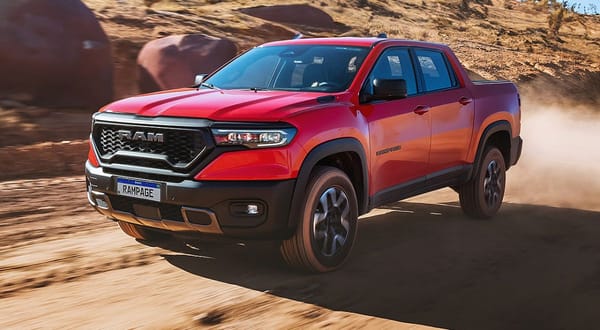
Global Compact Trucks the US is Missing
Discover the badass compact trucks dominating Latin America and Asia—like the Toyota Hilux Champ, Ram Rampage, Fiat Strada, and Chevy Montana—that the US is missing due to tariffs and regs. Why these pint-sized haulers could change everything for zealots craving efficiency and capability!