The Death — and Revival — of the Compact Pickup Truck
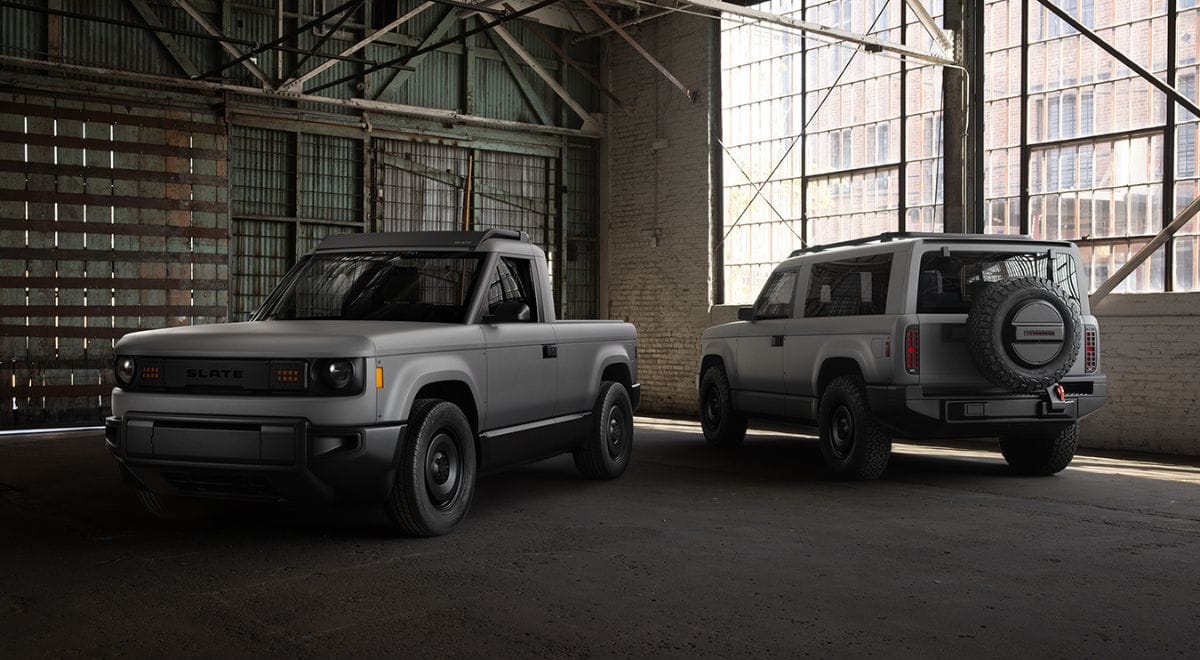
Once affordable and practical, compact pickup trucks disappeared as Ranger, Tacoma, and Colorado grew into midsize giants. Now, trucks like the Ford Maverick, Hilux Champ, Ram Rampage, and Slate signal a long-overdue revival.

For decades, the compact pickup was the backbone of the American truck market. Cheap, simple, and genuinely useful, these trucks were built to work—not flex. But somewhere along the way, the segment didn’t just evolve. It disappeared.
What replaced it was something bigger, heavier, and far more expensive. And only now, after years of bloated dimensions and runaway pricing, is the compact truck finally clawing its way back.
When Compact Trucks Were Actually Compact
In the 1980s and 1990s, trucks like the Ford Ranger, Toyota Tacoma, and Chevrolet S-10 were considered compact pickups. They were narrow enough for city streets, light enough to be efficient, and affordable enough for first-time buyers, small businesses, and weekend adventurers alike.
Back then, a compact truck was:
- Easy to park
- Relatively fuel efficient
- Simple to maintain
- Affordable without financing gymnastics
But over time, consumer expectations and automaker priorities changed.
Growth by Design, Not Necessity
As safety regulations increased and profit margins became king, compact trucks grew in popularity. Each new generation got wider, longer, taller, and more powerful. Features once reserved for luxury cars—large touchscreens, advanced driver assists, premium interiors—became standard.
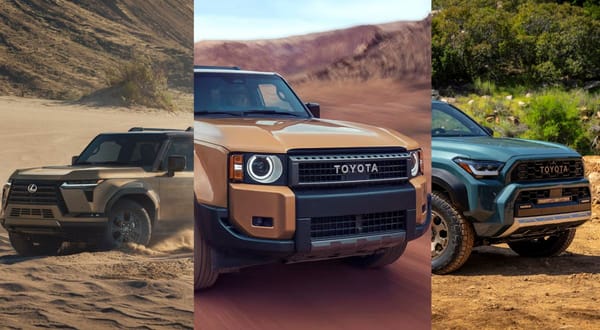
By the 2010s, the Ranger, Tacoma, and Colorado had effectively outgrown their original mission. They weren’t compact anymore. They were midsize trucks, occupying space that had once been occupied by full-size pickups decades earlier.
The problem? No one replaced what they left behind.
The Compact Truck Gap
As midsize trucks ballooned in size and price, a massive hole opened in the market. Buyers who wanted a simple, affordable pickup were left with two options:
- Buy used
- Step up to a truck they didn’t actually need
For years, automakers ignored this gap. Compact trucks were deemed low-margin, risky, or unnecessary in a market obsessed with bigger-is-better thinking.
Then came a quiet shift.
Ford Maverick and Hyundai Santa Cruz: Filling the Void
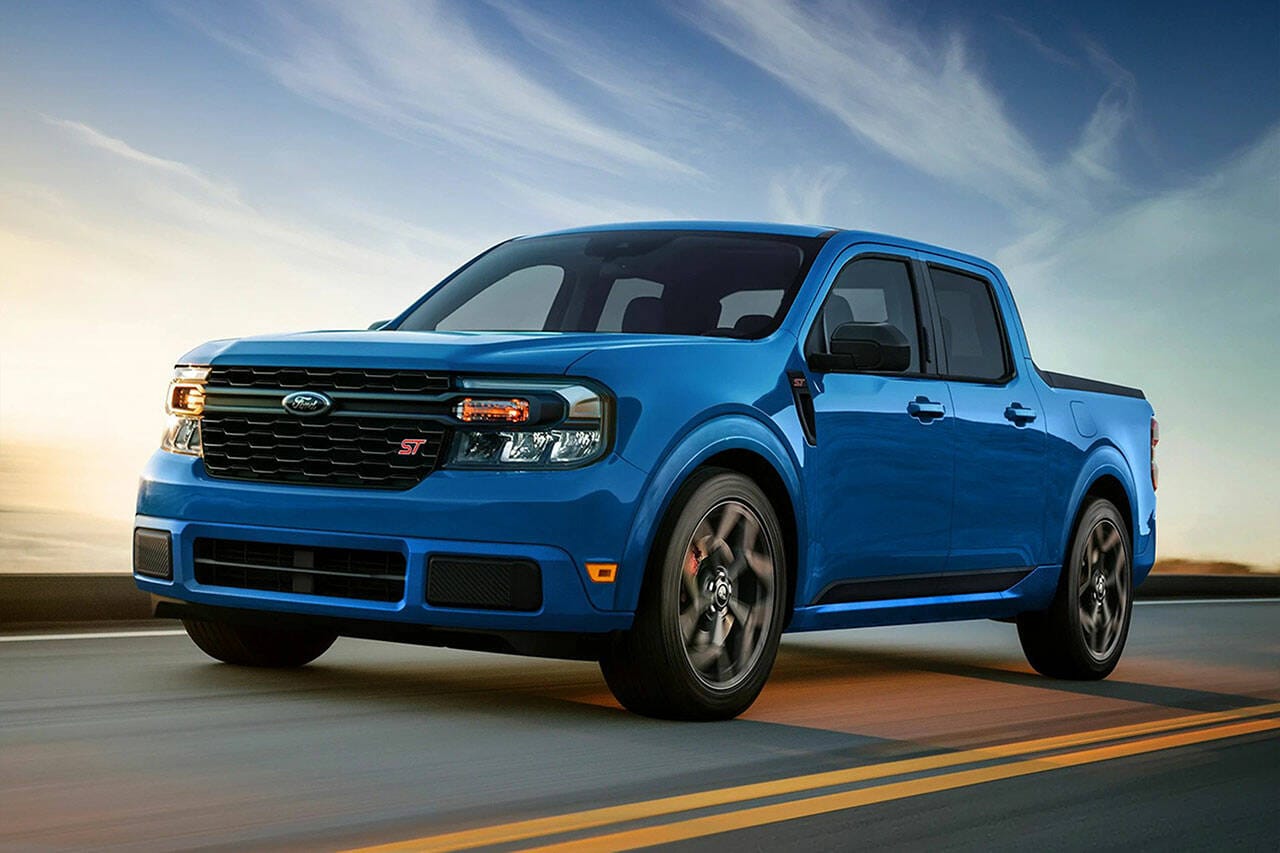
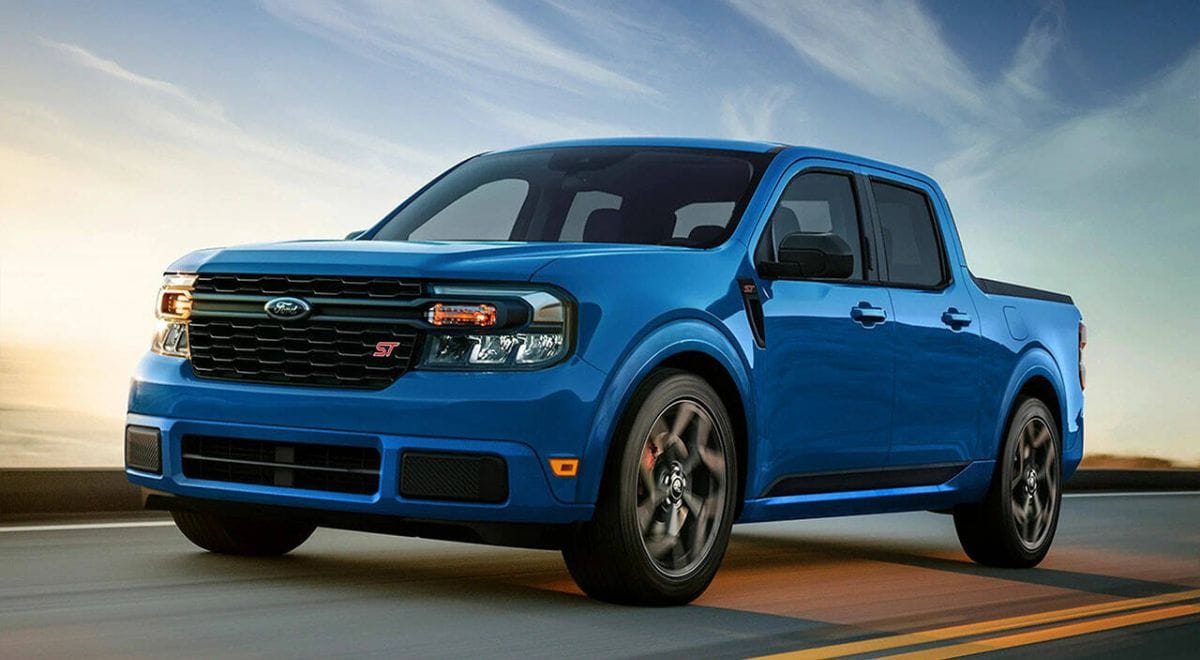
In 2021, Ford changed the conversation with the Maverick. Unibody construction, front-wheel-drive-based architecture, and, most importantly, a standard hybrid powertrain made it the cheapest new pickup in America.
The Maverick wasn’t trying to be a traditional truck. It was practical, efficient, and intentionally compact. Buyers responded immediately. Demand exploded, waitlists formed, and resale values soared.
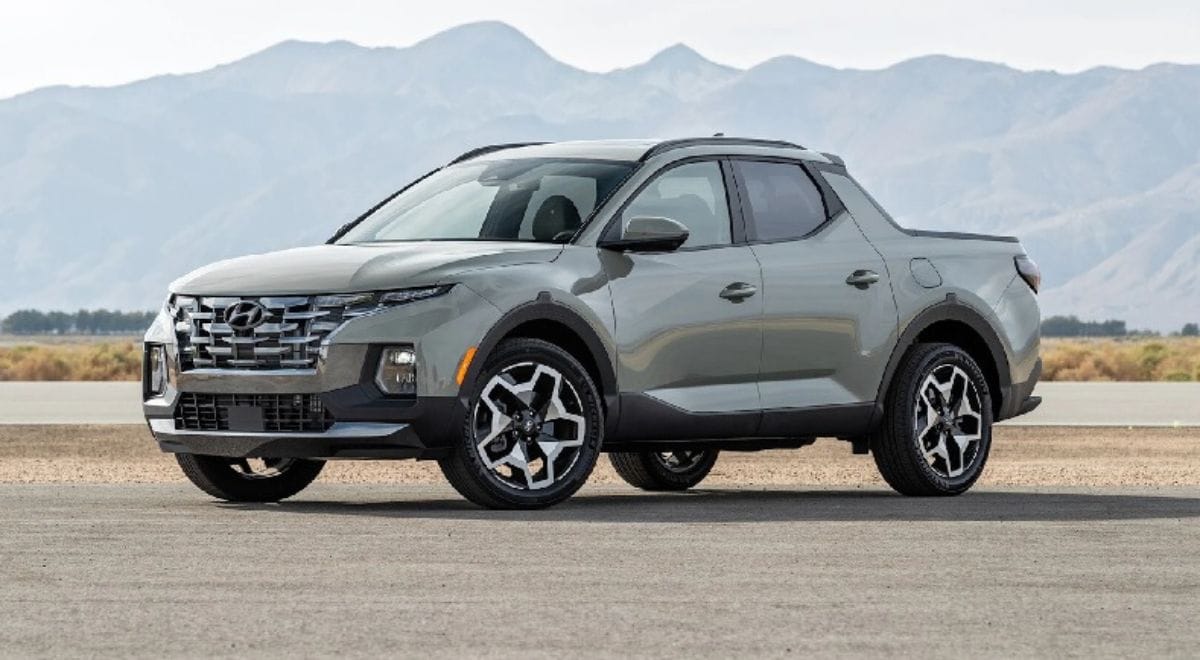
Hyundai followed with the Santa Cruz, a more lifestyle-focused entry with bold styling and crossover underpinnings. While it hasn’t matched Maverick sales, it proved the segment wasn’t a fluke—there was real demand for smaller pickups again.
Global Trucks America Can’t Have (Yet)
While the U.S. slowly re-learned the value of compact trucks, other markets never forgot, and most recently, they have gotten significant players in the segment that much of the world desperately wants.
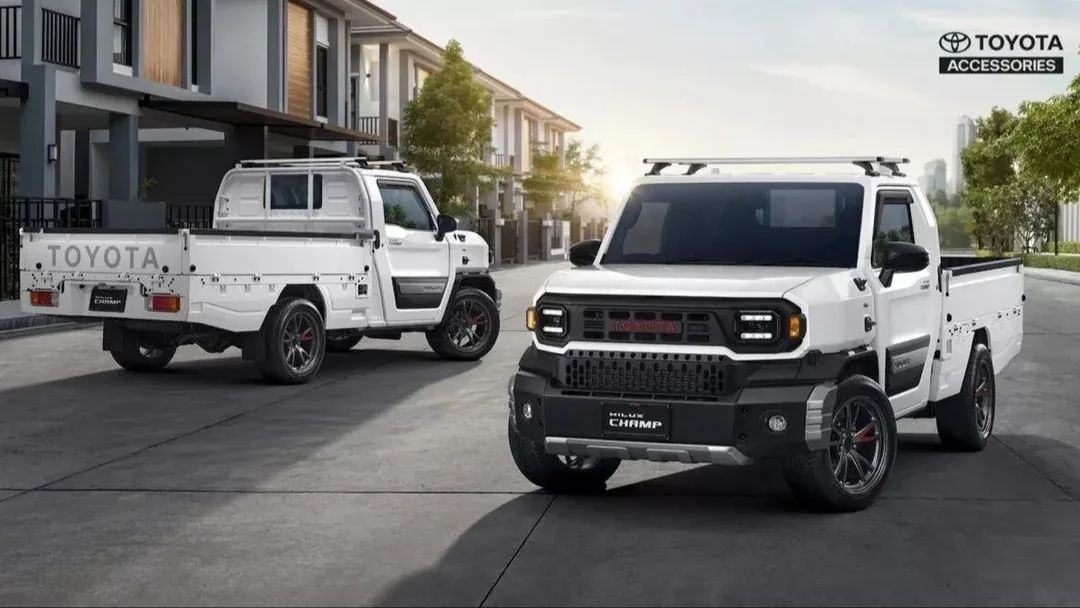
In Thailand, Toyota launched the Hilux Champ—a barebones, body-on-frame work truck starting around $13,000. Designed as a modular platform, it can be configured as a flatbed, van, camper, or utility rig. It’s simple, rugged, and precisely the kind of truck America no longer builds.
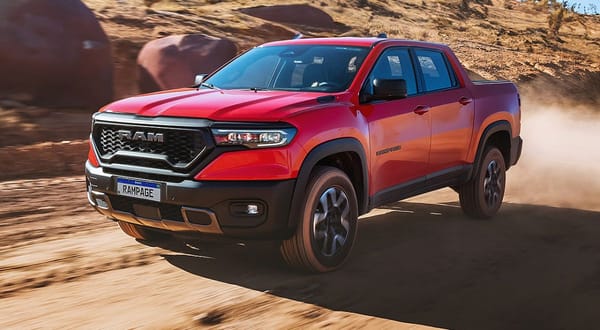
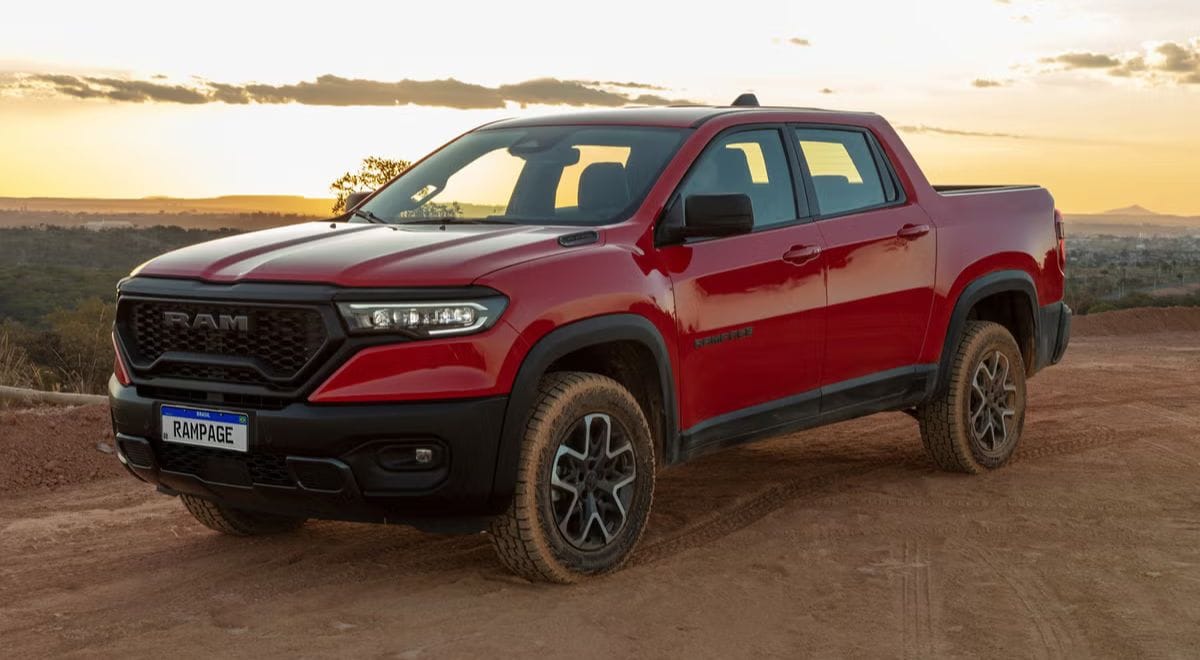
In South America, Ram introduced the Rampage, a compact pickup that blends modern design with real utility. It slots below the Ranger in size, yet delivers capability that puts many “entry-level” U.S. trucks to shame.
Neither truck is sold stateside, thanks mainly to regulations and tariffs, but their existence proves the segment never truly died. America just stopped participating in it.
Why the Compact Truck Is Coming Back
The revival of compact pickups isn’t nostalgia—it’s necessity.
Rising vehicle prices, urban congestion, fuel costs, and shifting buyer priorities have forced automakers to reconsider size and simplicity. Not everyone wants (or can afford) a $70,000 full-size truck. And not every job requires one.
Compact trucks make sense again because:
- Cities are tighter
- Budgets are thinner
- Efficiency matters
- Utility doesn’t require excess
The Segment’s Second Chance
The return of compact trucks represents a course correction. A recognition that bigger isn’t always better, and that practicality still matters.
Whether it’s the Maverick redefining affordability, the Hilux Champ reminding us what simplicity looks like, or the Rampage hinting at what could come next, one thing is clear: the compact truck never truly died.
It just had to wait for the market to remember why it mattered.