Tips to Make Buying a Used 4WD Easier
Smart tips to avoid costly mistakes when buying a used car. From rust checks to test drives, here’s what to look for when shopping second-hand.

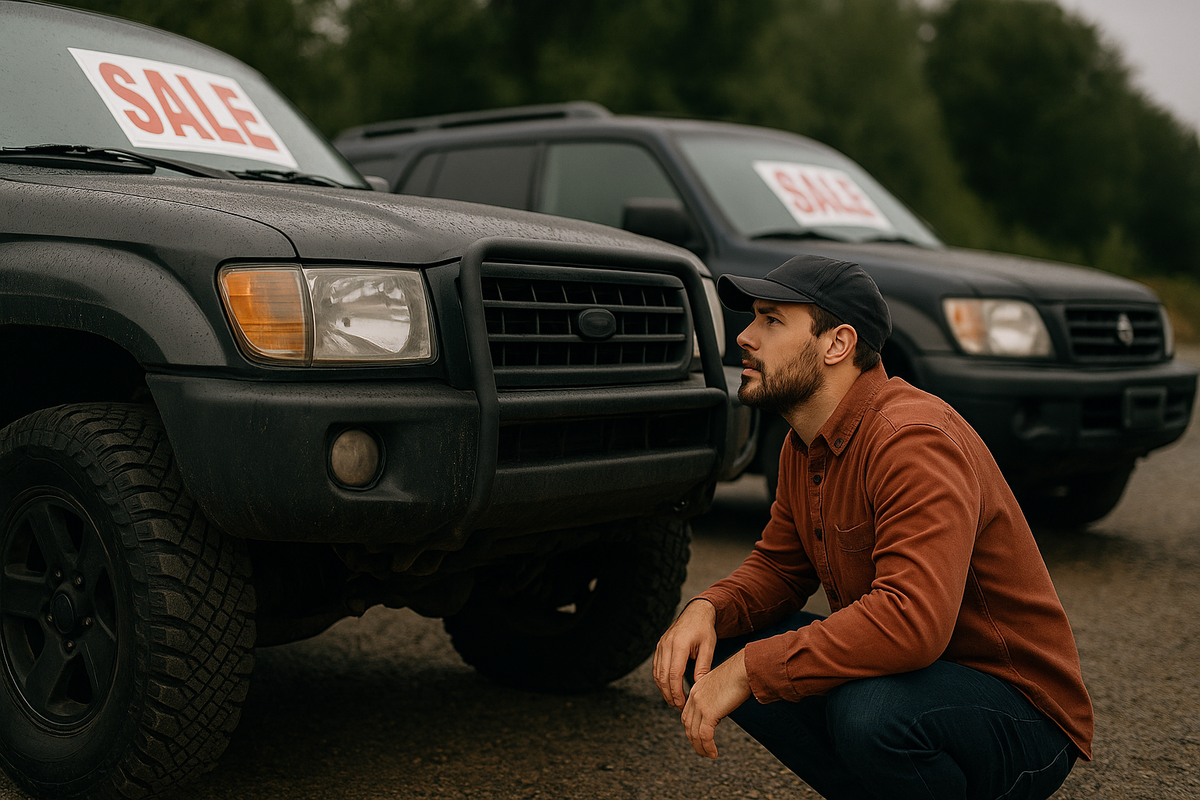
Buying a used car can feel overwhelming — one wrong choice and you might end up with a money pit instead of a solid ride. Whether you’re looking at daily drivers or second-hand 4WDs, a little knowledge goes a long way.
7 Tips for Inspecting a Used Car
1. Ask the Right Questions
Buying second-hand isn’t just about the car — it’s about the story behind it. Talk to the seller about how it’s been used, why it’s being sold, and what kind of maintenance it’s had. Watch for gaps between what they say and what you see.
2. Watch for Rust
Rust is a dealbreaker unless you’re hunting for a full project car. If you see any serious corrosion, it’s safest to walk away.
3. Check the Engine’s Health
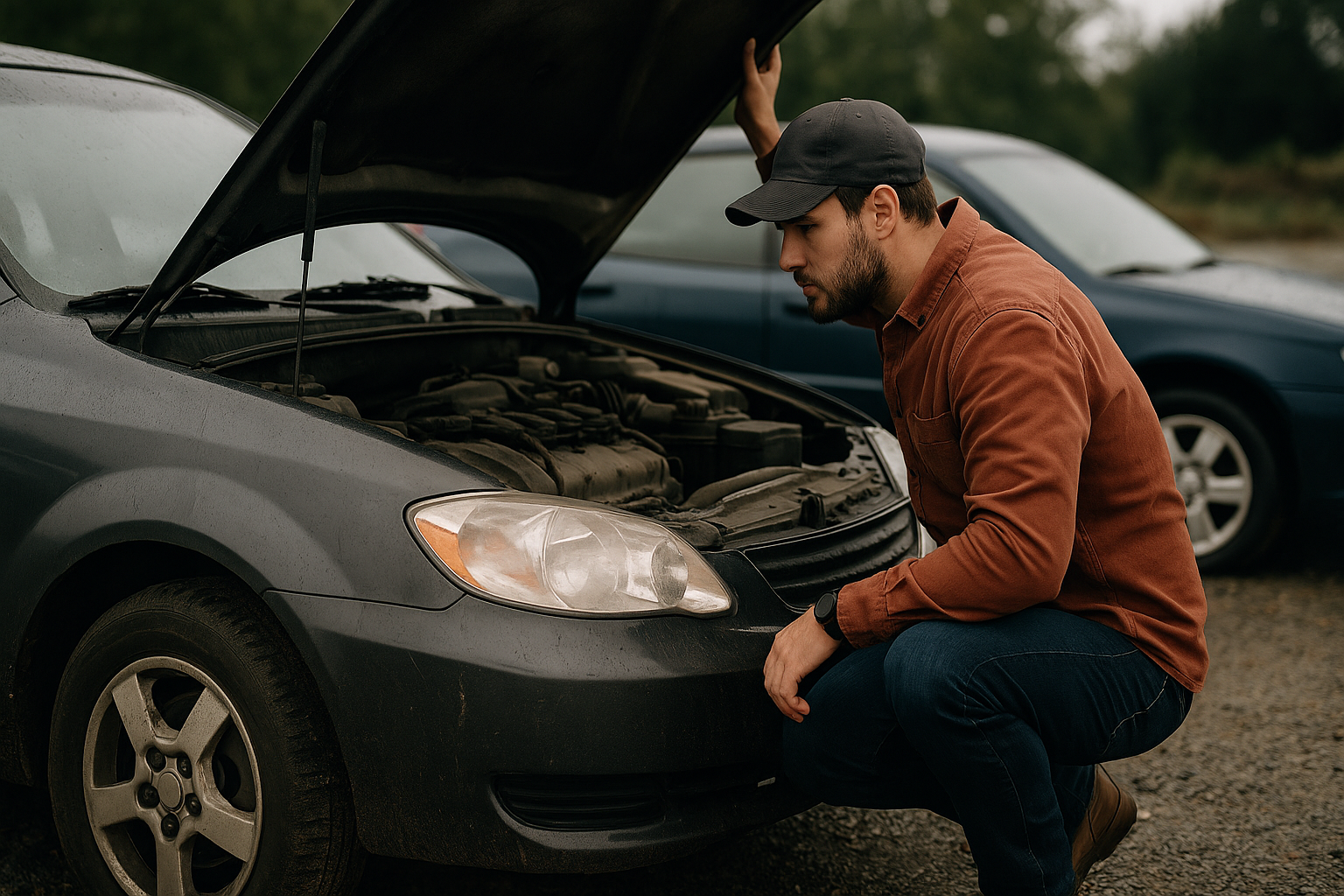
Engines are expensive to fix, but quick checks can reveal a lot. Look for excessive smoke, pull the dipstick (milky oil = bad news), and check the clean side of the air filter for dust. On diesels, hard starts can mean low compression.
4. Listen During the Test Drive
Test drives aren’t just about comfort — they’re diagnostic. Feel how the transmission shifts, test the brakes for pulling or shuddering, and check if the steering drifts. For 4WDs, make sure the transfer case shifts smoothly into high and low range and that all gears work.
5. Look for Past Damage
Even if an owner swears it’s never been wrecked, the car might tell another story. Uneven gaps in body panels, swirl marks in the paint, sealants that don’t look factory-smooth — all can indicate past repairs.
6. Check for Signs of Care
A well-loved car shows it. Service records, clean logbooks, and a well-kept interior are good signs. Compare mileage with wear on pedals and seats — heavy wear with low miles can be a red flag.
7. Inspect the Driveline (Especially on 4WDs)
For off-road rigs, check the driveline and chassis. Shake the tail shaft and universal joints to test for play. Catching issues early can save you from costly repairs.
Final Word
Buying used doesn’t have to be a gamble. With a sharp eye and a careful ear, you’ll avoid most of the pitfalls that come with shopping second-hand. And remember — the used market is still the most budget-friendly option compared to dealer markups.
AutoZealot Take: The used 4WD market is full of gems — and landmines. Smart buyers don’t just look for low miles; they look for maintenance, honesty, and the story behind the rig. A clean chassis and a confident seller usually tell you everything you need to know.