Humvee Vs. Modern Civilian Off-Roaders: What Civvies Borrowed
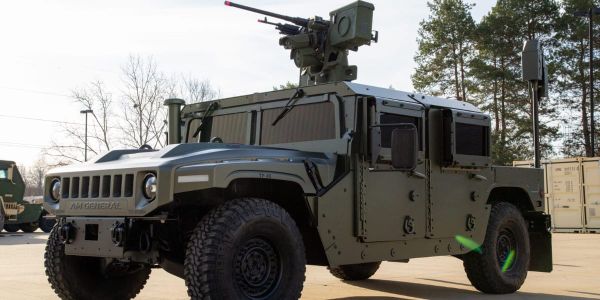
The military Humvee shaped modern off-roading more than most people realize. We compare the original HMMWV to today’s top civilian rigs and break down exactly what factory off-road packages borrowed from the battlefield legend.
Zealots, the Humvee didn’t just survive the battlefield; it quietly reshaped civilian off-roading.
The HMMWV (High Mobility Multipurpose Wheeled Vehicle) was designed in the 1980s as a rugged, go-anywhere military workhorse. Decades later, many of its best ideas have trickled down into the trucks and SUVs we actually drive on trails today.
Let’s put the original Humvee head-to-head with modern civilian off-roaders and see exactly what today’s rigs borrowed from the military legend.
The Humvee: The Original Apex Predator
• Ground clearance: Up to 16+ inches (center) with portal axles on some variants
• Approach/Departure angles: Exceptional (often 60°+ approach on military configs)
• Water fording: 30–60 inches depending on kit
• Payload & durability: Built to take abuse, carry heavy loads, and keep going
• Key tech: Independent suspension (at the time revolutionary for military), locking differentials, and a simple, modular design
It wasn’t pretty, but it was unstoppable in sand, mud, rocks, and snow.
What Modern Civilian Off-Roaders Borrowed
1. Portal Axles & Extreme Ground Clearance
The Humvee’s portal axles (gears inside the hub) gave it massive clearance without huge tires.
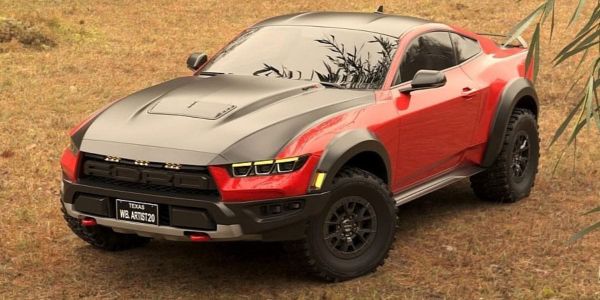
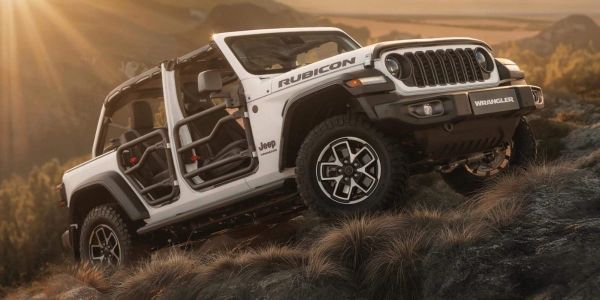
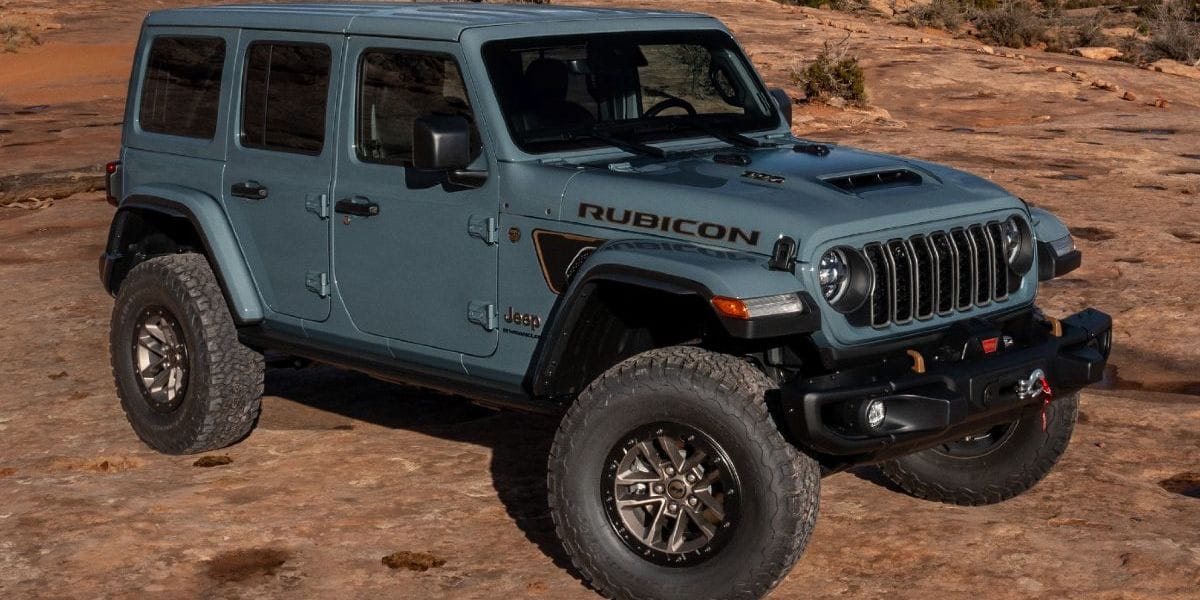
→ Modern influence: Seen in the Ford Bronco Raptor’s high-clearance setup, Jeep Wrangler Rubicon with 35–37” tires, and aftermarket portal axle kits for serious rock crawlers.
2. Locking Differentials & Advanced 4WD Systems
The Humvee had selectable locking diffs front and rear.
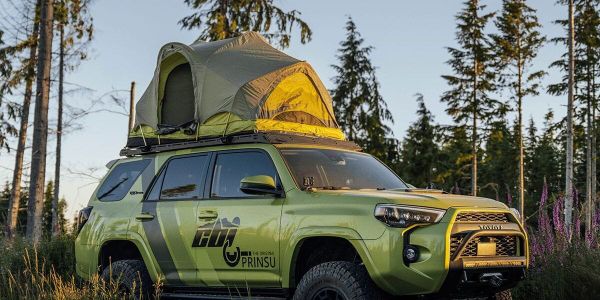
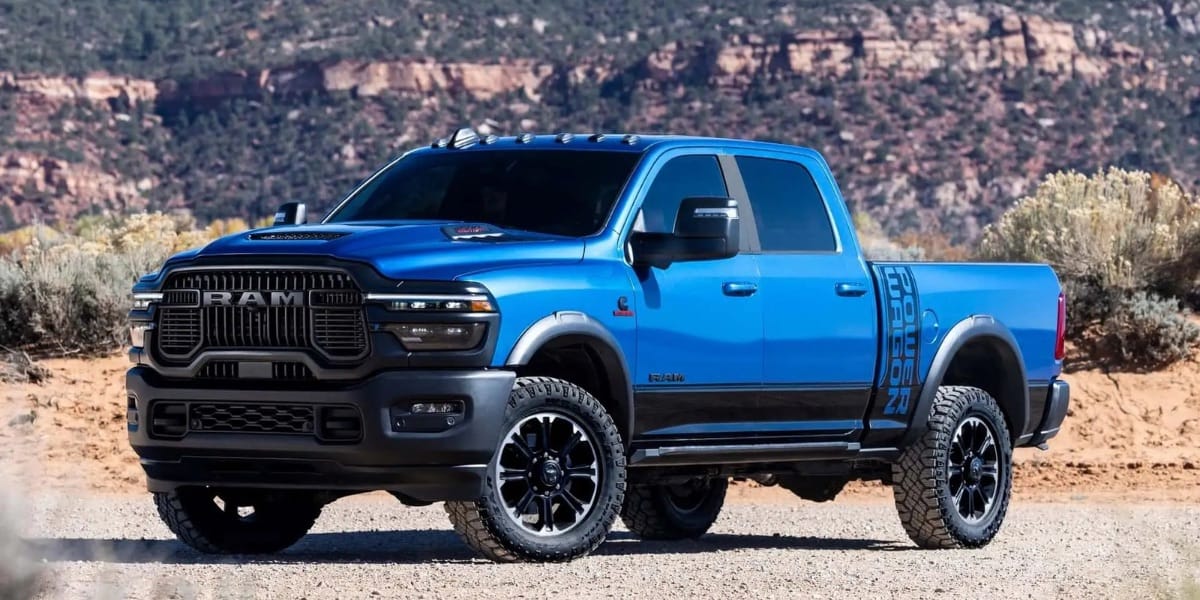
→ Today: Almost every serious off-roader offers locking rear diffs (Jeep Rubicon, Toyota 4Runner TRD Pro, Ram Power Wagon). Some now have electronic locking front diffs and sophisticated terrain modes that mimic military “go anywhere” capability.
3. Modular Design & Skid Protection
The Humvee was designed to be repaired in the field with simple parts and had heavy underbody protection.
→ Modern echo: Factory skid plates on the Toyota Land Cruiser, Lexus GX Overtrail, Ford Bronco, and Jeep Gladiator. Modular roof racks, bumper systems, and recovery points are now standard on adventure trims.
4. High Water Fording & Snorkel Capability
Military Humvees could ford deep water with minimal prep.
→ Civilian versions: Many overland builds add raised air intakes (snorkels). Factory packages like the Land Rover Defender (up to 35 inches) and some Ram Power Wagon configs push similar limits.
5. Tough Independent Suspension
The Humvee’s independent suspension was advanced for its era and allowed better wheel articulation.
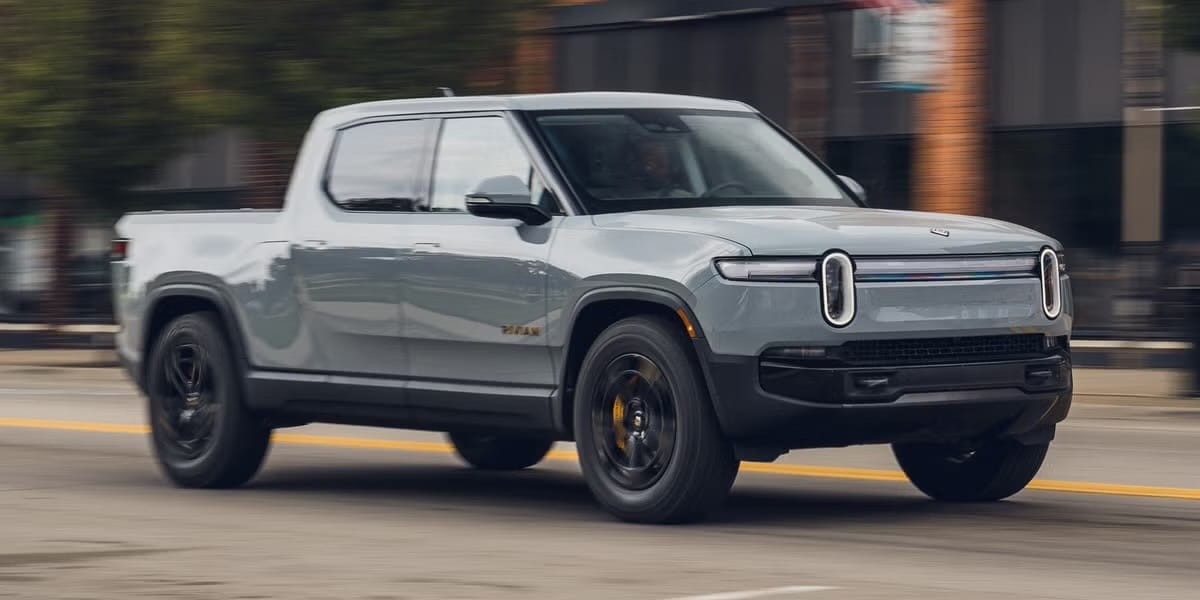
→ Today: Long-travel independent front suspension on the Bronco Raptor, Recognize R1T, and high-end off-road EVs is a direct evolution of that philosophy.
Humvee vs Modern Off-Roaders: Quick Verdict
• Pure Capability King: Original Humvee still wins on raw durability and extreme conditions (it was literally built for war zones).
• Best Civilian Interpretation: Jeep Wrangler Rubicon or Ford Bronco Raptor — they took the spirit (angles, clearance, toughness) and made it fun and drivable.
• Best Everyday Borrow: Toyota Land Cruiser / Lexus GX — reliability + borrowed military-grade protection without the Humvee’s fuel thirst.
• Most Underrated Influence: The entire “factory off-road package” trend (TRD Pro, Power Wagon, Overtrail, etc.) owes a debt to the Humvee’s “built to survive anything” DNA.
The Humvee proved that a vehicle could be ugly, uncomfortable, and still the most capable thing on four wheels. Modern off-roaders took those lessons, added comfort, efficiency, and tech, and gave us trucks we actually want to daily drive.
Zealots, which modern off-roader do you think borrowed the most from the Humvee? Rubicon for angles and articulation? Bronco Raptor for desert running? Or the Land Cruiser for bulletproof reliability? Drop your pick and why below!
Written by
What's Next?
Gran Turismo’s Hidden Influence on Real Racing: From Sim to Circuit
Gran Turismo has quietly shaped real racing for nearly 30 years. From hyper-accurate tire modeling and laser-scanned tracks to turning gamers into pro drivers via GT Academy, here’s how the sim has directly influenced modern motorsport technology and talent development.