
Gran Turismo’s Hidden Influence on Real Racing: From Sim to Circuit
Gran Turismo has quietly shaped real racing for nearly 30 years. From hyper-accurate tire modeling and laser-scanned tracks to turning gamers into pro drivers via GT Academy, here’s how the sim has directly influenced modern motorsport technology and talent development.
Gran Turismo isn’t just the greatest racing simulator ever made. For nearly 30 years, it has quietly shaped real-world racing technology, driver training, vehicle development, and even how manufacturers test and refine cars.
The line between virtual and real performance has never been thinner. Here’s how Gran Turismo has directly influenced modern racing tech; and why it matters to every car enthusiast who loves both the track and the screen.
1. Obsessive Physics & Tire Modeling That Manufacturers Actually Use
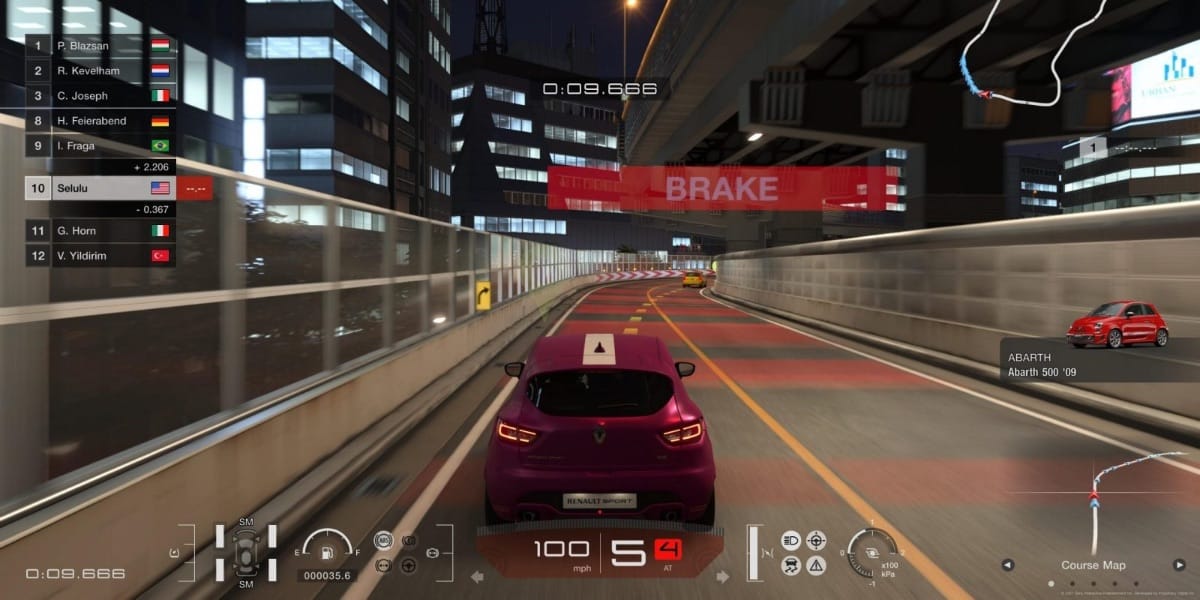
From the very first Gran Turismo in 1997, Polyphony Digital obsessed over one thing: making the physics feel real.
They laser-scanned real tracks, recorded actual engine notes, and worked with tire manufacturers to model grip, wear, and temperature effects with ridiculous accuracy. Race teams and OEMs noticed.
Today, many manufacturers (Toyota, Nissan, Porsche, Subaru, and others) use Gran Turismo’s simulation data as a benchmark or even a development tool. The game’s tire model has been so accurate that real racing series have referenced it when developing their own sims or validating car setups.
2. GT Academy – Turning Gamers into Real Racers
This is the most famous crossover.
Nissan’s GT Academy (2010–2016) took the best Gran Turismo players, put them through a real racing boot camp, and turned them into professional drivers. Several graduates actually competed in real series like GT3, Le Mans, and even DTM.
The program proved that elite sim racing skill could translate to real-world talent. It helped legitimize sim racing as serious training rather than “just a game.”
3. Laser-Scanned Tracks & Hyper-Accurate Data
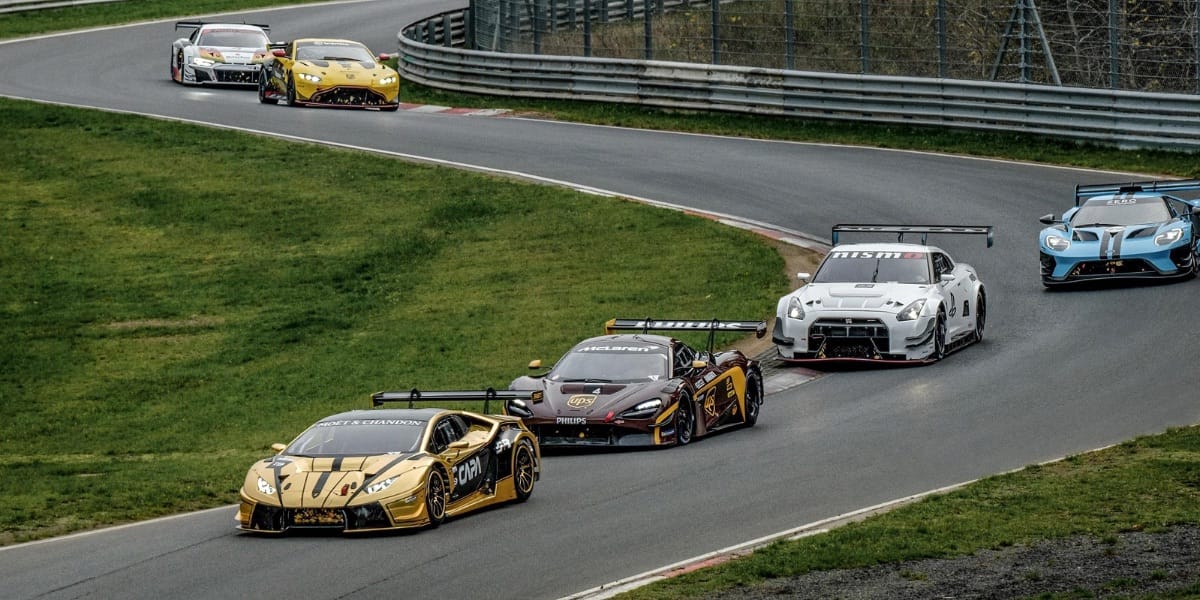
Gran Turismo 7 took things to another level with laser-scanned, centimeter-accurate recreations of legendary circuits (Nürburgring, Spa, Suzuka, etc.).
Real racing teams now use these virtual tracks for driver familiarization, setup development, and even strategy testing before real-world events. The level of detail in GT7 is so high that some pro drivers say the game’s handling feedback is closer to reality than older professional simulators.
4. Influence on OEM Vehicle Dynamics & Testing
Polyphony Digital has worked directly with car manufacturers for decades.
When a new sports car or performance model is developed, Gran Turismo often gets early access to prototype data. In return, the game helps manufacturers test how their cars would behave under extreme conditions in a virtual environment before committing to expensive real-world testing.
This two-way street has improved everything from suspension tuning and aerodynamics to electronic stability control and hybrid power delivery systems.
5. The Future: GT8 and the Blurring Line
With GT8 on the horizon and advancing VR/haptic feedback technology, the gap between sim and reality is shrinking even faster.
We’re approaching a point where top sim racers train alongside pros using the same tools, and manufacturers use game-grade simulations to accelerate development cycles and reduce costs.
Gran Turismo has helped turn sim racing from a hobby into a legitimate talent pipeline and engineering tool.
Why This Matters to Zealots
Every time you lap a virtual Nürburgring in Gran Turismo, you’re experiencing technology that has fed back into real cars on real tracks.
The game didn’t just entertain us; it helped make modern performance cars sharper, safer, and more capable on both road and circuit.
So next time someone says “it’s just a video game,” remind them: Gran Turismo has been shaping real racing tech for almost three decades.
Zealots, what’s your favorite way Gran Turismo has influenced real cars or racing? Have you felt the sim-to-real connection in your own driving? Drop your thoughts below; and if you’ve got a wild GT story or favorite lap time, share it!
Written by

What's Next?